





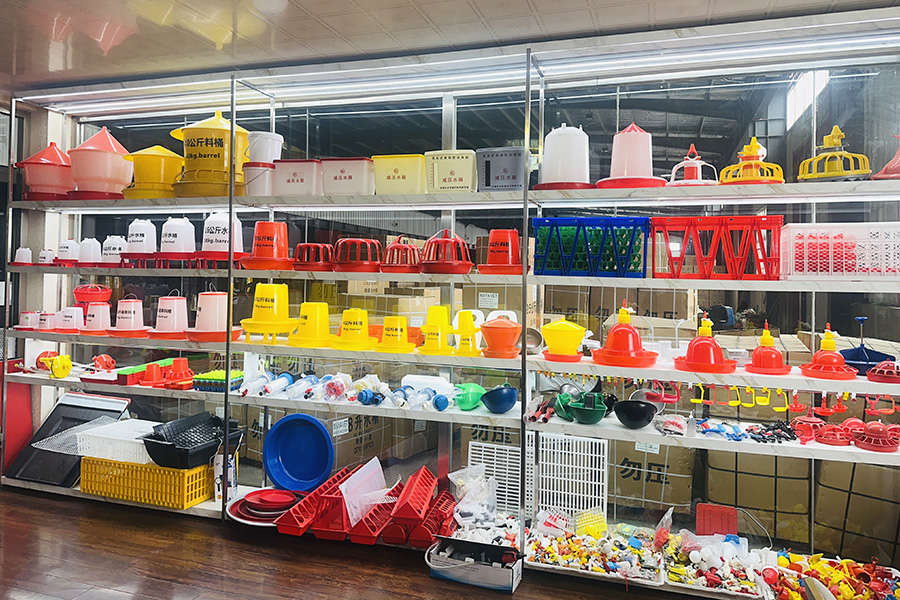

Poultry Feeder FAQ: Common Questions About Feeding Equipment
Publish Time:2026-10-20 10:49:23 Author:Yilu Shunfeng Views:130
Introduction
Feeding equipment is one of the first things poultry farmers ask about. This FAQ answers the most common questions about poultry feeders, from choosing the right size to keeping feed clean. The answers are general guidelines; your supplier can provide exact specifications for each model.
Feeder Size and Capacity Questions
Q1: What feeder size do I need for my flock?
Match the feeder capacity to the bird number and refill frequency. A 1.5 kg or 2.5 kg feeder suits a small backyard flock, while 10 kg, 20 kg and 40 kg feeders are used on larger farms. Count the feeder edge space rather than only capacity: allow about 2 to 5 cm per adult bird.
Q2: How many feeders does a farm need?
Place enough feeders so that all birds can eat at the same time without crowding. Adding one or two extra feeders reduces competition and helps weaker birds get enough feed.
Q3: Do ducks and geese need different feeders?
Ducks and geese have wider beaks, so they usually need wider pans or deeper troughs. Some feeder models are designed specifically for duck and goose feeding.
Material and Quality Questions
Q4: Are plastic feeders safe for poultry?
Yes. Plastic feeders are widely used because they are light, easy to clean and resistant to moisture and corrosion. Choose feeders made of durable plastic with a stable base.
Q5: How long do plastic feeders last?
With regular cleaning and proper storage, a well-made plastic feeder can last for several years. Avoid leaving feeders in direct sunlight for long periods and store them dry when not in use.
Cleaning and Hygiene Questions
Q6: How often should feeders be cleaned?
Clean feeders at least once a week and disinfect them between flocks. In hot or humid weather, clean more often to prevent mold and bacteria in the feed.
Q7: How can I prevent feed waste?
Use feeders with a proper pan depth, fill feed to a moderate depth, and check the equipment for damage. Round feeders with a hopper release feed gradually, which helps reduce spillage.
Feeding Practice Questions
Q8: Should feeders be kept inside or outside?
Keep feeders under cover so the feed stays dry. If feeders are used outdoors, move them under shelter during rain and check them for moisture.
Q9: What is the best feed form for a round feeder?
Mash, crumble and pelleted feed all work in round feeders. Pelleted feed flows easily, while mash may need a feeder with a suitable hopper angle to avoid blockage.
About Hebei Yilu Shunfeng Breeding Equipment
Hebei Yilu Shunfeng Breeding Equipment Co., Ltd. manufactures poultry feeders in many sizes and styles, including one-piece feeders, automatic feeders, long troughs and chick trays. Our team can help you choose the right models for your farm. Contact us for a quotation.
References
FAO. Poultry Production Systems. Food and Agriculture Organization of the United Nations.
Bell, D. D., & Weaver, W. D. (2002). Commercial Chicken Meat and Egg Production (5th ed.).
ISO 9001:2015. Quality Management Systems - Requirements. International Organization for Standardization.
Related News
-
FAQ: Export Orders, Packaging and Shipping for Poultry Equipment
Common questions about buying poultry equipment for export, covering MOQ, packaging, carton details, delivery time and mi...
-
FAQ: Poultry Equipment Cleaning and Maintenance
Answers about cleaning and maintaining poultry feeders, drinkers and other farm equipment, including cleaning frequency, ...
-
FAQ: Nipple Drinkers vs Bell Drinkers - Which Watering System Is Better
Compare nipple drinker systems and bell drinkers for poultry farms, covering hygiene, water intake, cost and suitability ...
-
FAQ: How to Prevent Feed Waste in Poultry Farming
Practical answers on how to reduce feed waste in poultry farming, covering feeder selection, filling depth, feeder height...
-
Poultry Drinker FAQ: Common Questions About Watering Equipment
Common questions about poultry drinkers answered, covering bell drinkers, nipple drinkers, water cups and drinker mainten...


 Mobile client