






FAQ: How to Prevent Feed Waste in Poultry Farming
Publish Time:2026-10-20 10:49:32 Author:Yilu Shunfeng Views:174
Why Feed Waste Happens
Feed is the largest daily cost in poultry farming, so even small amounts of waste add up over time. Feed can be wasted through spillage, scratching, contamination and spoilage. Understanding where the loss happens is the first step to saving feed.
Feeder Design Questions
Q1: Which feeder design wastes less feed?
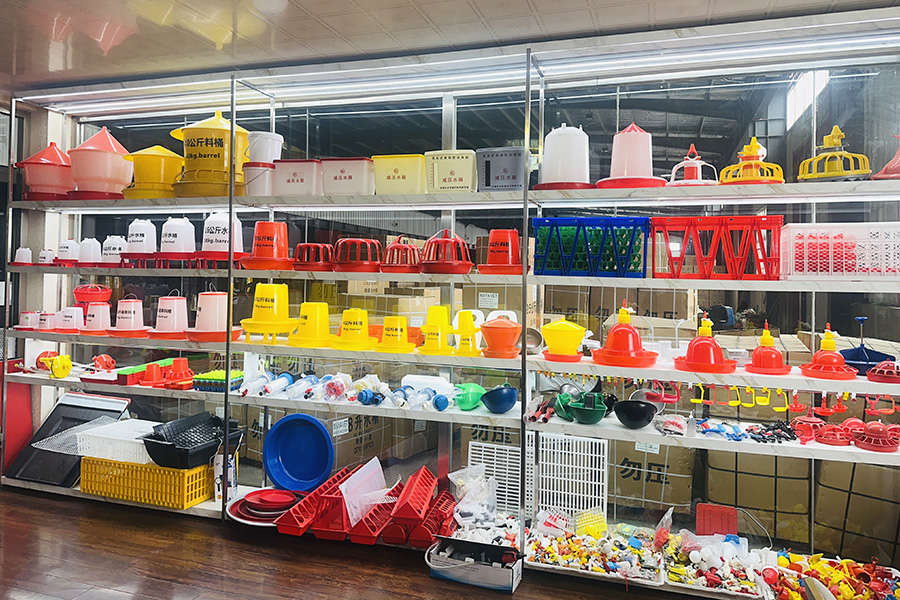
Feeders with a proper pan depth and a feed-restricting edge reduce spillage. Round feeders with a hopper release feed gradually as birds eat, and one-piece models have no gaps where feed can fall. Long troughs work well when filled to a shallow depth.
Q2: How deep should feed be in a trough?
Fill troughs to about one-third or less of the depth. Deeper fill allows birds to scratch feed out with their beaks and feet, increasing waste.
Management Questions
Q3: How does feeder height affect waste?
If the feeder is too low or too high, birds eat awkwardly and spill feed. Adjust the feeder height so the pan edge is about level with the birds' backs, and raise it as they grow.
Q4: How many feeders reduce waste?
Too few feeders cause crowding and fighting, which leads to spilled feed. Provide enough feeders so all birds can eat calmly at the same time, and place them evenly around the house.
Q5: Should I use feed restrictions?
Controlled feeding, where feed is given in measured amounts, can reduce waste in adult flocks. Follow a feeding plan that matches the birds' age and purpose, and avoid overfilling.
Feed Quality Questions
Q6: How does wet feed cause waste?
Feed that gets wet sticks together, molds quickly and becomes uneatable. Keep feeders away from drinkers, fix leaking drinkers and store feed in a dry place.
Q7: How should feed be stored?
Store feed in clean, dry containers with lids, away from sunlight, moisture and rodents. Buy feed in batches that will be used before the quality drops.
Cleaning and Checking
Q8: How often should I check for feed waste?
Check the floor below and around feeders daily. If you find a lot of feed on the ground, adjust the feeder height, filling depth or number of feeders.
Q9: Does regular cleaning save feed?
Yes. Clean feeders keep feed fresh, and a clean feeding area reduces contamination. Clean equipment also lasts longer and works more efficiently.
About Hebei Yilu Shunfeng Breeding Equipment
Hebei Yilu Shunfeng Breeding Equipment Co., Ltd. designs feeders and drinking systems that help farms manage feed efficiently. Products include one-piece feeders, long troughs, round pans and automatic systems. Contact us for equipment advice and quotations.
References
FAO. Poultry Feeding and Nutrition. Food and Agriculture Organization of the United Nations.
FAO. Feed Management and Ration Formulation. Food and Agriculture Organization of the United Nations.
ISO 9001:2015. Quality Management Systems - Requirements. International Organization for Standardization.
Related News
-
FAQ: Export Orders, Packaging and Shipping for Poultry Equipment
Common questions about buying poultry equipment for export, covering MOQ, packaging, carton details, delivery time and mi...
-
FAQ: Poultry Equipment Cleaning and Maintenance
Answers about cleaning and maintaining poultry feeders, drinkers and other farm equipment, including cleaning frequency, ...
-
FAQ: Nipple Drinkers vs Bell Drinkers - Which Watering System Is Better
Compare nipple drinker systems and bell drinkers for poultry farms, covering hygiene, water intake, cost and suitability ...
-
FAQ: How to Prevent Feed Waste in Poultry Farming
Practical answers on how to reduce feed waste in poultry farming, covering feeder selection, filling depth, feeder height...
-
Poultry Drinker FAQ: Common Questions About Watering Equipment
Common questions about poultry drinkers answered, covering bell drinkers, nipple drinkers, water cups and drinker mainten...


 Mobile client