






How to Choose the Right Poultry Feeder: A Complete Guide
Publish Time:2026-10-20 09:53:04 Author:Yilu Shunfeng Views:63
Why Choosing the Right Poultry Feeder Matters
Feeding equipment directly affects how much feed your poultry can access, how much feed is wasted, and how much time you spend on daily chores. A feeder that is too small limits feed intake, while a feeder with the wrong structure can cause spillage and contamination. For chicken, duck and goose farmers, choosing the right poultry feeder is one of the most practical decisions in poultry house management.
Main Types of Poultry Feeders
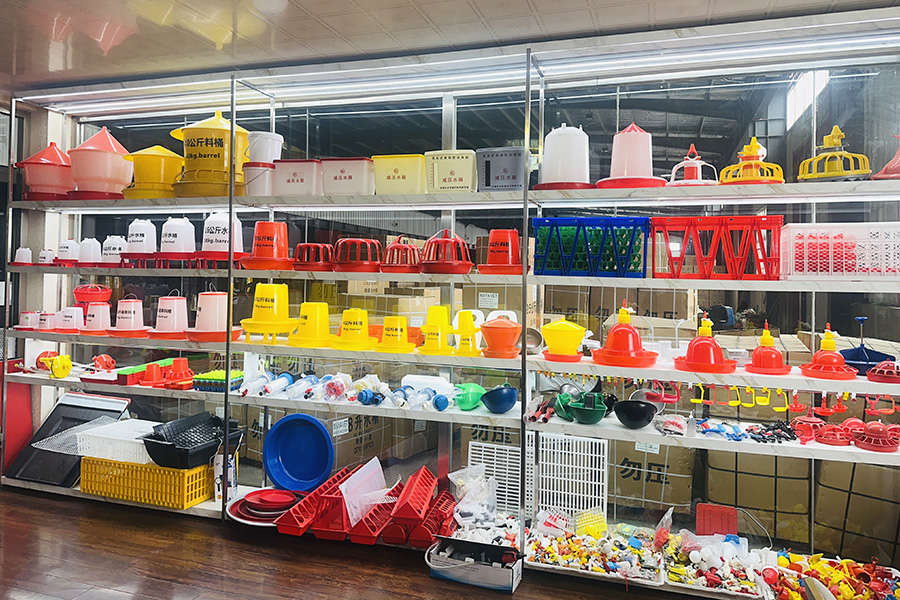
One-piece poultry feeders - A simple hopper-and-pan design molded as one unit. Easy to clean, no assembly required, and suitable for small and medium flocks.
Automatic poultry feeders - Larger systems with feed ports or line feeding, designed to reduce labor on bigger farms. Feed is delivered automatically from a central hopper.
Long feeding troughs - Rectangular troughs widely used in cage and floor systems. They allow many birds to feed at the same time along a straight line.
Round feeder pans - Pan-style feeders with a flat or pointed top, often used for chicks and starter birds in brooders.
Chick feeding plates and trays - Low, shallow trays that give day-old chicks easy access to feed during the first weeks.
Key Factors to Consider
1. Capacity and Bird Number
The feeder capacity should match the number of birds and the feeding frequency. A 1.5 kg feeder is suitable for a small flock, while farms with hundreds of birds usually need 10 kg, 20 kg or larger feeders, or an automatic line system. Plan roughly 2 to 5 cm of feeder space per bird at the pan or trough edge.
2. Poultry Species
Chicken, duck and goose have different beak sizes and feeding habits. Ducks and geese need wider pans and deeper troughs, while chicks need low trays they can reach easily. Choose models that match the species you raise.
3. Material and Durability
Most poultry feeders are made of durable plastic. Good quality plastic resists moisture, feed acids and routine washing, and does not rust. Check that the material is thick enough to keep its shape and stable enough not to tip over when birds push against it.
4. Ease of Cleaning
Feeders should be washed regularly to prevent mold and disease. One-piece designs and feeders with smooth surfaces are easier to clean than models with many corners, springs or detachable parts.
5. Feed Type
Mash, crumble and pelleted feed flow differently. Feeders with the correct hopper angle and pan depth keep feed flowing and reduce blockage, which is especially important for mash feed.
Common Mistakes to Avoid
Choosing feeders that are too large for the flock, which lets feed sit too long and become stale.
Ignoring the bird count when buying feeders, leading to crowding at feeding time.
Buying feeders with complex parts that are difficult to clean and maintain.
Using chick trays for adult birds, which causes feed waste and uneven intake.
Feeding Management Tips
Place feeders on flat, dry ground and keep them away from drinkers to reduce wet feed. Refill feeders regularly but avoid overfilling, and clean them between batches of birds. In hot weather, feed more frequently in smaller amounts to keep feed fresh.
Frequently Asked Questions
Q1: What size feeder do I need for 50 chickens?
A 10 kg feeder or several smaller feeders are usually enough for 50 adult chickens, depending on how often you refill them.
Q2: Are plastic feeders safe for poultry?
Yes. Food-grade plastic feeders are widely used in poultry farming because they are light, easy to clean and resistant to corrosion.
Q3: How often should feeders be cleaned?
Clean feeders at least once a week, and disinfect them between flocks. High-temperature seasons may require more frequent cleaning.
About Hebei Yilu Shunfeng Breeding Equipment
Hebei Yilu Shunfeng Breeding Equipment Co., Ltd. manufactures a wide range of poultry feeding and drinking equipment, including one-piece feeders, automatic feeders, long troughs, bell drinkers and transport crates. All products are quality checked before shipment and available for export. Contact our sales team for feeder selection advice and mixed container orders.
References
FAO. Poultry Production Systems. Food and Agriculture Organization of the United Nations.
Bell, D. D., & Weaver, W. D. (2002). Commercial Chicken Meat and Egg Production (5th ed.).
ISO 9001:2015. Quality Management Systems - Requirements. International Organization for Standardization.
Related News
-
FAQ: Export Orders, Packaging and Shipping for Poultry Equipment
Common questions about buying poultry equipment for export, covering MOQ, packaging, carton details, delivery time and mi...
-
FAQ: Poultry Equipment Cleaning and Maintenance
Answers about cleaning and maintaining poultry feeders, drinkers and other farm equipment, including cleaning frequency, ...
-
FAQ: Nipple Drinkers vs Bell Drinkers - Which Watering System Is Better
Compare nipple drinker systems and bell drinkers for poultry farms, covering hygiene, water intake, cost and suitability ...
-
FAQ: How to Prevent Feed Waste in Poultry Farming
Practical answers on how to reduce feed waste in poultry farming, covering feeder selection, filling depth, feeder height...
-
Poultry Drinker FAQ: Common Questions About Watering Equipment
Common questions about poultry drinkers answered, covering bell drinkers, nipple drinkers, water cups and drinker mainten...


 Mobile client