






Chick Starter Equipment Guide: Brooders, Feeding Trays and Drinkers
Publish Time:2026-10-20 10:48:12 Author:Yilu Shunfeng Views:56
The First Weeks Decide Growth
The first weeks of a chick's life set the direction for its growth, feed conversion and health. Chicks need easy access to feed and water, a warm and clean environment, and enough floor space. The right starter equipment makes these first weeks easier for the chicks and for the person raising them.
Feeding Trays and Plates
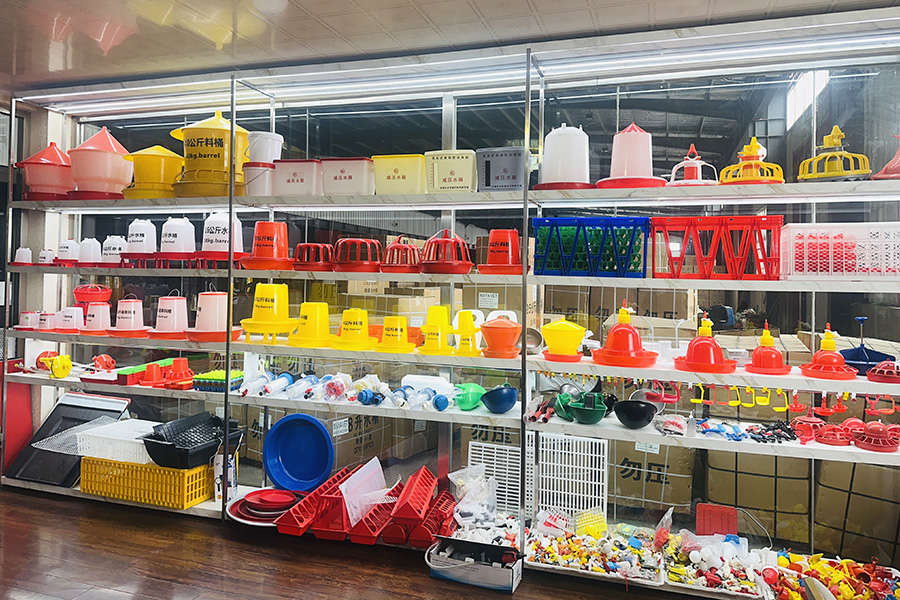
Chick feeding trays are low, shallow plates or trays that allow day-old chicks to reach feed easily. They come in round plates and rectangular trays in sizes such as 25 cm, 30 cm, 35 cm, 40 cm, 50 cm, 60 cm and 80 cm. Feeding plate liners are also available for use inside the tray to keep feed off the floor and simplify cleaning. During the first days, feed can be placed on paper or in shallow trays, and the trays can be gradually raised or replaced with larger feeders as the chicks grow.
Chick Drinkers and Water Cups
Chicks must find water immediately after arrival. Small automatic drinkers, chick cups and hanging cups give young birds easy access without the risk of drowning. Cup drinkers work well for chicks because the shallow cup is easy for small birds to use. Keep the water fresh and the equipment clean, and place drinkers away from feeders so feed stays dry.
Brooder Floor Netting
Brooder floor netting is placed over the brooder floor to keep chicks off the cold ground, separate droppings and improve air flow. The mesh size matters: a fine mesh suits day-old chicks, while a slightly larger mesh works for older birds. The netting must be strong enough to support the chicks and easy to remove for cleaning between batches.
Temperature and Ventilation
Brooding temperature is critical in the first week. Keep the brooder warm and stable, then reduce the temperature gradually as the chicks grow and develop feathers. At the same time, the house needs gentle air movement to remove moisture and ammonia without chilling the chicks. Drafts and temperature drops are common causes of early chick losses.
Starter Equipment Checklist
Feeding trays or plates with liners, sized for the chick number.
Chick drinkers or cups placed at the correct height.
Brooder floor netting with the right mesh size.
A clean, dry floor with fresh litter.
Stable temperature and gentle ventilation.
Frequently Asked Questions
Q1: How many chicks can one feeding tray serve?
It depends on the tray size and chick age. As a guide, provide enough tray space so all chicks can stand at the feed edge during the first days.
Q2: When should chick trays be replaced with adult feeders?
Usually around the first to third week, when chicks are strong enough to use larger feeders or troughs.
Q3: Is floor netting necessary for all brooding systems?
Netting is very helpful in floor brooding to separate chicks from droppings and cold surfaces, but it is not required in raised cage brooding.
About Hebei Yilu Shunfeng Breeding Equipment
Hebei Yilu Shunfeng Breeding Equipment Co., Ltd. supplies chick feeding trays, plate liners, chick drinkers, brooder floor netting and other starter equipment. Products are quality checked and export packed. Contact us for a starter kit based on your chick number and house type.
References
FAO. Brooding and Rearing of Poultry Chicks. Food and Agriculture Organization of the United Nations.
Council Directive 98/58/EC. Concerning the Protection of Animals Kept for Farming Purposes.
Bell, D. D., & Weaver, W. D. (2002). Commercial Chicken Meat and Egg Production (5th ed.).
Related News
-
FAQ: Export Orders, Packaging and Shipping for Poultry Equipment
Common questions about buying poultry equipment for export, covering MOQ, packaging, carton details, delivery time and mi...
-
FAQ: Poultry Equipment Cleaning and Maintenance
Answers about cleaning and maintaining poultry feeders, drinkers and other farm equipment, including cleaning frequency, ...
-
FAQ: Nipple Drinkers vs Bell Drinkers - Which Watering System Is Better
Compare nipple drinker systems and bell drinkers for poultry farms, covering hygiene, water intake, cost and suitability ...
-
FAQ: How to Prevent Feed Waste in Poultry Farming
Practical answers on how to reduce feed waste in poultry farming, covering feeder selection, filling depth, feeder height...
-
Poultry Drinker FAQ: Common Questions About Watering Equipment
Common questions about poultry drinkers answered, covering bell drinkers, nipple drinkers, water cups and drinker mainten...


 Mobile client